Geo Ex Machina
We don't make FWI, we make FWI better.
Industry Recognized Innovators
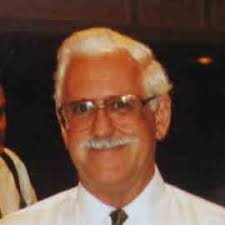
John W.C. Sherwood
President
Primary Responsibilities
Algorithm development
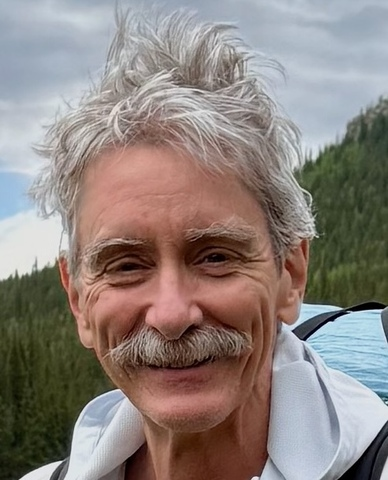
Dave Hale
Geode
Primary Responsibilities
Software and algorithm development
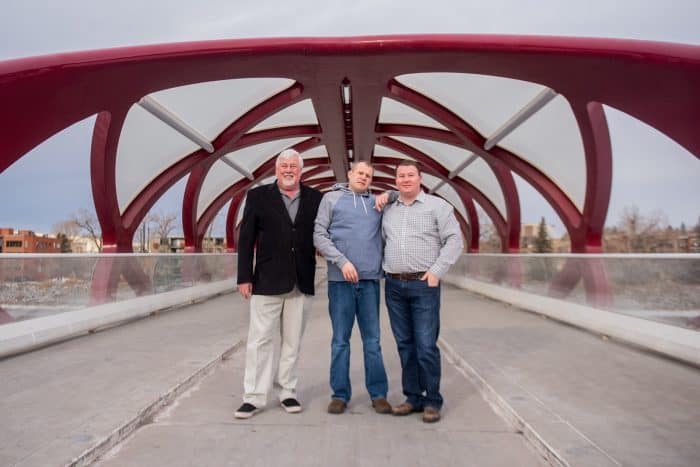
Hans Tieman
Migration & Tomography
Primary Responsibilities
Migration, Raytracing, Tomography
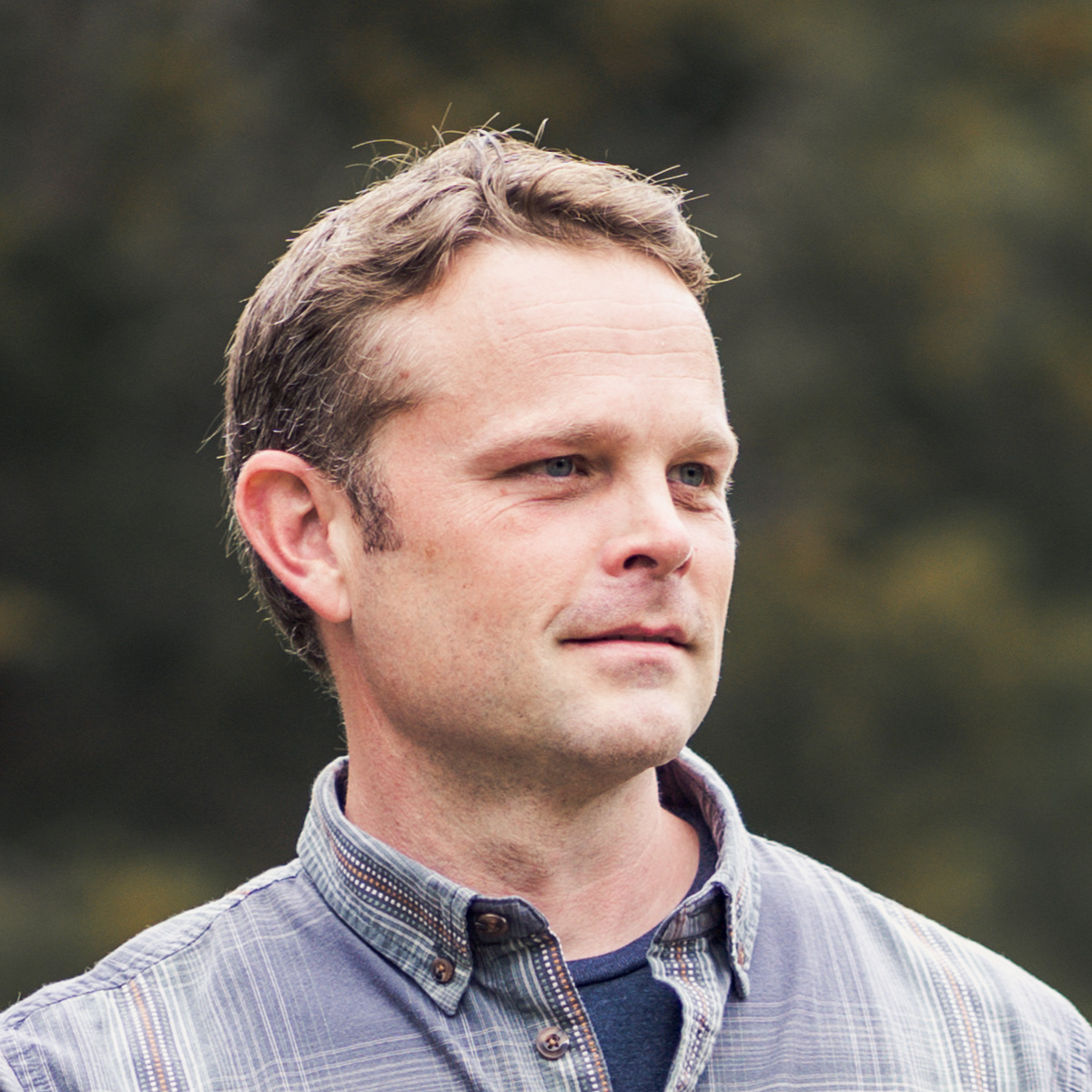
Sam Brown
CTO
Primary Responsibilities
Technical strategy,
platform strategy,
and technical development
2017
Idea
Algorithm Development
Focused on AVO/AVAZ
2018
Proof of Concept
Orthorhombic land synthetics
2019
Formation
GEM formed by experts in Geophysics, Cloud, Visualization, Software Development
2020
Infrastructure
Cloud Computing
Flow Engine
Marine Synthetics
2021
Beta Testing
NAZ Marine
WAZ Marine
FAZ Marine
Anisotropy Synthetics
COCA/CACA Viewer
2022
Production
FWI VM Validation
Full Azimuth Raytracing System
2023
Fully Shot Based
Sparse Marine Node
2024
Model Uncertainty
Enhanced tomographic workflows and equations
2025
Minimize parameter crosstalk
Tilt Estimation
Anisotropic Estimation
Industry Approach to VMB
Starting model for FWI
- Smoothed version of latest VMB
- Delta and Epsilon are simple trends hung from the WB
- Tilt fields challenged by complex geology, noise, weak signal
- Earth model errors exist in Vp, delta, epsilon, and tilt
- All earth model errors are fit with Vp updates
- Only QC is 4D CIG which is mainly sensitive to vertical velocity error
Anisotropy Error
Velocity Error
Tilt Error
Velocity Update
GEM Approach to VMB
Starting model
- Smoothed version of latest VMB OR directly from sonics (Vp)
- Delta and Epsilon are LF and follow geological boundaries
- Tilt derived from beam attributes, not challenged by complex geology
- Earth model errors exist but have been minimized for delta, epsilon, and tilt
- QCs are 5D COCA/CACA gathers which are sensitive to both vertical and horizontal velocity errors
Anisotropy Error
Velocity Error
Tilt Error
Velocity Update
Key Technologies
GEM VM
Quality Control (QC)
GEM Technology Enhances Shot-Based Wave Equation Technologies
GEM technology is complementary to traditional geophysical algorithms:
- Kirchhoff
- WEM (Wave Equation Migration)
- RTM (Reverse Time Migration)
- FWI (Full Waveform Inversion)
Our Focus:
- Reducing model uncertainty with QC tools to measure errors in velocity, delta, epsilon, tilt, and structural positioning
- Utilizing proprietary algorithms to minimize parameter crosstalk
- Evaluating robustness of existing FWI velocity models
- Developing geologically conforming anisotropic VMs as input to FWI
Method Comparison for FWI Starting Model
| Kirchhoff | RTM / FWI | GEM VM | |
|---|---|---|---|
| Gather QCs | Butterfly Gathers | Butterfly Gathers | COCA, CACA Gathers |
| Gather QC dimensionality | 4D | 4D | 6D |
| QC azimuthal variation | Orthogonal gathers | Orthogonal gathers | FAZ: 360°, WATS: 180° |
| QC Reflector Dip Constraint | 60° | 60° | None |
| Sensitive to vertical velocity? | Yes | Yes | Yes |
| Sensitive to horizontal velocity? | No | No | Yes |
| RMO Picking | 4D | N/A | 6D |
| Input to Inversions | Target Lines | Random shots | All data |
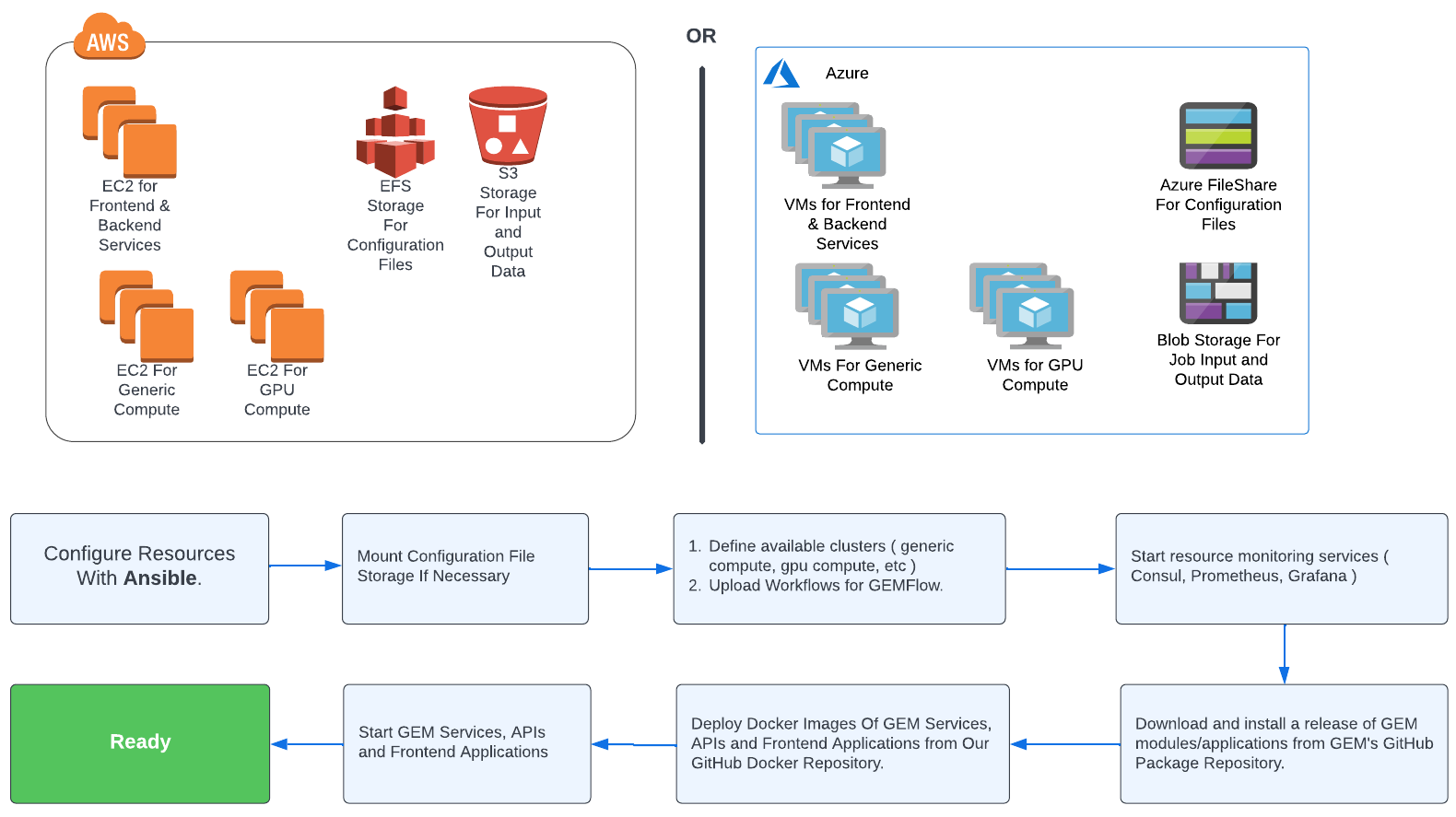
Data Center and Cloud Friendly
Support for internal file formats: GEM, SEP, SEGY, OpenVDS, VDS
Support internal and cloud storage: AWS, Azure, local
Simple APIs: C++, Python, Swagger
Source code: Github, Docker, Ansible, Terraform